|
| Dr. Jeevan and Angel, his wife |
Many days since for several reasons I was not posting anything!. Coming back again, I was not sure were to continue. Have so many topics!. Finally decided to write on the blog of a rural doctor, Dr. Jeevan Kuruvilla. He is from Kerala but stablished in Jharkhand state, close to West Bengal. He is working in a rural area and started writing a blog, "The learner", a few years back. But last year there was only one post, and today I've found four more posts in the present year. Good news! I had the feeling he was kind of exhausted and was feeling very sorry for the situation.
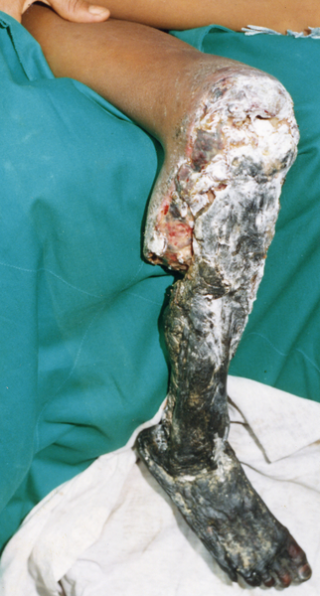
Many hours of hard work and duty, many patients, few resources, many people arriving in extreme conditions due cultural beliefs, misinformation and poverty. Many fake healers and on the last times a deterioration of the political environment and safety due to the insurgence of the naxalite conflict...
The blog is about the cases that reach the
 |
| Dahlias is Barsati's garden |
hospital and the everyday life there... deliveries, surgeries, and many, many snakebites. Most of them from krait.
It wasn't until I came across this blog that I could not see which is day by day reality on snakebites (or the very painful maternal deaths between others...but this is another topic). A mixture of sadness and admiration for those anonymous heroes that deal with them on a daily basis, trying to improve rural health conditions.
He is posting some nice pictures of roses and other flowers growing in the garden, about his family or nice cake recipes too!
Without pretending, Dr. Jeevan Kuruvilla is giving a lecture on snakebite clinics and treatment, how an old ventilator can save many lives... or how quacks make things much more difficult...
I'm happy he is coming back to write and is giving signs of life again! Wrote him asking for permission to use some of his blog post on snakebites to present in here. Wish he answers.
Here is the link:
http://jeevankuruvilla.blogspot.in
Look what I've found!!!
2Consultant in Department of Medicine, Nav Jivan Hospital, Stabarwa, Jharkhand, India
http://jeevankuruvilla.blogspot.in
Look what I've found!!!
Toxicol Int. 2015 Jan-Apr; 22(1): 77–82. PMCID: PMC4721181
doi: 10.4103/0971-6580.172263
Clinico-epidemiological Profile of Snake Bites over 6-year Period from a
Rural Secondary Care Centre of Northern India: A Descriptive Study
Shubhanker Mitra, Abhinav Agarwal,1 B. U. Shubhankar,1 Sahil Masih,1 Viswajit Krothapalli,1 Brian Mark Lee,1 Jeevan
Kuruvilla,2 and Reginald Alex
Department of Accident and Emergency Medicine, Christian Medical College, Vellore, Tamil Nadu, India
1Department of Medicine, Christian Medical College, Vellore, Tamil Nadu, India2Consultant in Department of Medicine, Nav Jivan Hospital, Stabarwa, Jharkhand, India
Copyright : © Toxicology International
This is an open access article
PLEASE, ALWAYS REFER TO THE ORIGINAL ARTICLE.
Abstract
Estimated deaths due to snake bites are more than 46,000 annually in India. Ninety-seven percent bites occur in rural areas. Data on snake bites from Jharkhand rural area are sparse. This study describes 6 years profile of snake bite patients from January, 2007 to December, 2012 at Nav Jivan Hospital in Palamu district, Jharkhand.
Keywords: Anti-snake venom, epidemiology, mortality, snake bite

INTRODUCTION
Three hundred and fifty-six patients were enrolled for this study. There has been a 3.5-fold increase in the
number of cases over 6 years. 81.4% of the snake bite patients were younger than 40 years of age without
any significant gender-wise difference. Krait is the most common identified species. The peak incidence
(40.8%) of the snake bite cases occurs in July and August (at the onset of the monsoon rainfall) rather than
entire rainy months. More than 50% patients presented within 5 h of bite. Foot, leg, and hand sites
contribute 93.6% of bite. 42.5% had coagulopathy. 49.5% were administered up to five vials of anti-snake
venom (ASV) only. 5.4% patients died, and 5.6% patients were referred to higher centers. The death rate
was significantly higher among those presented beyond 5 h (64.7% vs. 35.3%) (P = 0.015, odd ratio [OR]
2.7) which was in turn associated with the distance of residence from the hospital. There was no
significant difference in mortality with a dose of ASV or among either gender. 10.8% patients developed
an allergic reaction to ASV. Pheniramine and hydrocortisone prophylaxis significantly decreased the ASV
allergic reaction (absolute risk reduction [ARR] =15.6; number needed to treat [NNT] = 7.4). Expenditure
on ASV (median = Rs. 4444) almost equaled that of other medicines (Rs. 4423).
DISCUSSION
Snake bite is a major public health hazard and neglected tropical disease in India. Most of the snake bite cases occur in the rural areas and in the monsoon months from June to September. The estimated annual death due to snake bite in India is nearly 50,000 persons. The data on the true burden of the disease, role of polyvalent ASV, incident of ASV anaphylaxis, and treatment outcome from rural set up are scarce. As per the national mortality survey in 2001–2003, approximately 4,500 deaths occur annually in the state of Bihar and ranks third among snake bite related deaths in India. Despite this, there has been a paucity of data from this region.
This is the first large descriptive study on the clinico-epidemiological profile and the treatment outcome of the snake bite cases from a secondary care center of Jharkhand, India.
Over 6-year period, there has been a 3-fold increase in the snake bite cases at NJH. More than 80% of the snake bite cases belong to younger age group (median = 30.0 ± 15.4 years) representing the working class of the population. We found no difference in the gender-wise occurrence of snake bite during the 6-year period. On analyzing the seasonal variability of the snake bite cases, we found that more than 60% of the cases occur during the monsoon months (July–August).
The interesting difference noted in this study is that most of the snake bite cases (40.8%) occur over the first 2 months after the onset of monsoon and then approximately halves (21.8%) over next two rainy months of the monsoon season. This could be explained by the fact that rainfall at the onset of monsoon disrupts the snake habitat and leads to more accidental contact with a human, both at field work and household. The gender and seasonality pattern of the snake bite cases are similar to other studies from India.
About 75% of the cases are from the Palamau district while remaining 25% cases are from the adjacent districts of Latehar and Garhwa. This could be due to the referral bias as this is the only secondary care hospital which caters continuous care at a subsidized rate to all medical cases. Among the patients from the villages in Palamau and Latehar districts, more than 60% presented within first 5 h of the snake bite but significantly lesser number of patients located in the farther villages of Garhwa and other districts could present to NJH within 5 h (Chi-square <0.01). This is attributable to two main social reasons; viz limited access to the transportation and the practice of receiving first treatment from the local village non-medical practitioners prior to presentation to the hospital.
Krait and viper were the most frequent alleged snake species.
Foot and hand accounted for nearly three-fourth of the sites of snake bites. Local features of envenomation and coagulopathy were present in nearly half of the patients while ptosis and respiratory distress were present among 24% and 11%, respectively.
Estimated deaths due to snake bites are more than 46,000 annually in India. Ninety-seven percent bites occur in rural areas. Data on snake bites from Jharkhand rural area are sparse. This study describes 6 years profile of snake bite patients from January, 2007 to December, 2012 at Nav Jivan Hospital in Palamu district, Jharkhand.
Keywords: Anti-snake venom, epidemiology, mortality, snake bite

INTRODUCTION
Context
Snake bite is a major public health problem in India. According to the “million death” study, the estimated annual death due to snake bite in the year 2001–2003 ranged from 40,900 to 50,900 with the mortality rate being higher in the rural areas (4.8–6.0/100,000). Bihar had the third highest annual snake bite related deaths (4500 annually) and the death rate in the state of Jharkhand alone was 1000/year. At the same time, the Indian Government's official figure shows national death rate below 2000 deaths/year. Thus, there is remarkable under-reporting of the snake bite related deaths. There is a paucity of data on snake bite and related events, the cost of care in the snake bite management despite being a major public health problem in India.
Snake bite is a major public health problem in India. According to the “million death” study, the estimated annual death due to snake bite in the year 2001–2003 ranged from 40,900 to 50,900 with the mortality rate being higher in the rural areas (4.8–6.0/100,000). Bihar had the third highest annual snake bite related deaths (4500 annually) and the death rate in the state of Jharkhand alone was 1000/year. At the same time, the Indian Government's official figure shows national death rate below 2000 deaths/year. Thus, there is remarkable under-reporting of the snake bite related deaths. There is a paucity of data on snake bite and related events, the cost of care in the snake bite management despite being a major public health problem in India.
Of the four medically important poisonous families of snakes (Elapidae, Viperidae, Atractaspidinae,
Colubridae), the Viperidae (viper) and the Elapidae (Cobra and common Krait) remain the most common
species of snakes responsible for most of the envenomation in Indian subcontinent.
Aims
We conducted this retrospective descriptive study in a secondary care rural hospital in the Palamu district of Jharkhand to describe the various epidemiological, clinical features, outcome, and cost of care related to snake bite over a period from 2007 to 2012.
The Palamau district spans over 5043 km2 and lies between 23° 50' and 24° 8' North latitude and between
83° 55' and 84° 30' East longitude. Old Palamau district is divided into three districts: (1) Palamau, (2)
Garhwa, (3) Latehar. As per the government estimates, the total rural population of Daltonganj is 92,078 in
15,419 household.
Population
All the patients (irrespective of age) presented with the alleged history of any bites between the year January, 2007 and December, 2012 were screened from the inpatient register. The patients who received the discharge diagnosis of “snake bite” based on the documentation of fang marks at the alleged site of envenomation with or without oozing of the blood as confirmed by the attending physician were enrolled in the study. The patients not fulfilling the above criteria or those with confirmed bite by any other organism (e.g., lizard) were excluded.
Statistical analysis was performed using Statistical Package for the Social Science (SPSS) software for
Windows Version 16.0. Chicago, SPSS Inc.(released in 2007). Descriptive data are given as mean
(standard deviation [SD]) or as median (range). Chi-square test or Fisher exact test was used to compare
dichotomous variables and t-test or Mann–Whitney test was used for continuous variables as appropriate.
The differences between the two groups were analyzed by univariate analysis and their 95% confidence
intervals (CI) were calculated. For all tests, a two-sided P <</i> 0.05 was considered statistically
significant. The median cost of care was expressed in Indian rupees.
Over the 6-year period, the peak incidence of the
snake bite occurred around the month of July and August, which corresponds to the onset of the monsoon
rainfall. It is noteworthy that the incidence of snake bite is not uniform across the monsoon
rainy months. Most of the snake bite cases (40.8%) occur over the first 2 months after the onset of
monsoon and then nearly halves (21.8%) over the next two rainy months of the monsoon season
September and October.
District-wise distribution and delay in presentation of the cases
However, in more than one-third of the cases, the snake species could not be identified. A minority (1.1%)
of the snake bite was due to nonpoisonous snake species (see table-1).
Respiratory distress:
Respiratory distress was defined when the patient complained of dyspnea, clinical examination revealed tachypnea and auscultation showed either rhonchi or crepitations and pulse oximeter saturation was <95% on room air. Data were available on 314 patients. Cobra and Krait bite were associated most commonly with the respiratory distress (27.3% and 25.8%, respectively).
Anti-snake venom treatment
The data on the dosage of ASV were available for 308 patients.
102 (63.4%) patients with normal WBCT were administered <5 vials of ASV based on local features of envenomation, signs of neurotoxicity, and standard operating procedure. 80 (59.3%) patients with mild coagulopathy were treated with up to 10 vials of ASV.
We conducted this retrospective descriptive study in a secondary care rural hospital in the Palamu district of Jharkhand to describe the various epidemiological, clinical features, outcome, and cost of care related to snake bite over a period from 2007 to 2012.
Settings and design
Nav Jivan Hospital (NJH) is a charitable, secondary care 100 bedded hospital located at Satbarwa village in the block of Daltonganj in the district of Palamau of Jharkhand, lying about 165 km from the state capital of Ranchi. NJH is run by a team of 6 medical doctors, 1 dentist, 1 ophthalmologist, and department of nursing services. It serves a population of >60 km radius (mainly Palamau and Latehar districts). The hospital has 6 bedded acute medical care unit (AMCU).
Nav Jivan Hospital (NJH) is a charitable, secondary care 100 bedded hospital located at Satbarwa village in the block of Daltonganj in the district of Palamau of Jharkhand, lying about 165 km from the state capital of Ranchi. NJH is run by a team of 6 medical doctors, 1 dentist, 1 ophthalmologist, and department of nursing services. It serves a population of >60 km radius (mainly Palamau and Latehar districts). The hospital has 6 bedded acute medical care unit (AMCU).
Population
All the patients (irrespective of age) presented with the alleged history of any bites between the year January, 2007 and December, 2012 were screened from the inpatient register. The patients who received the discharge diagnosis of “snake bite” based on the documentation of fang marks at the alleged site of envenomation with or without oozing of the blood as confirmed by the attending physician were enrolled in the study. The patients not fulfilling the above criteria or those with confirmed bite by any other organism (e.g., lizard) were excluded.
MATERIALS AND METHODS
The external Institutional Review Board and Ethics Committee of the EHA approved the study. Since this was a retrospective study and did not involve the disclosure of any individual patient identity, the consent was waived.
The inpatient and AMCU registers from January, 2007 to December, 2012 were screened for collecting the patient's registration number and diagnosis of any bite. The cases where the final diagnosis was other than snake bite were excluded.
The inpatient records were reviewed, and the data on clinical and epidemiological details were entered in the database.
The data on cost of ASV, cost of other medications, and other non-medical expenses (including charitable discount, bed and nursing charges) were extracted from the hospital's electronic database. The patients who had inadequate or unclear documentation of more than 20% of the variables were also excluded from the study. In order to eliminate any errors in data collection and entry, the data were double-checked and verified by another independent group.
The external Institutional Review Board and Ethics Committee of the EHA approved the study. Since this was a retrospective study and did not involve the disclosure of any individual patient identity, the consent was waived.
The inpatient and AMCU registers from January, 2007 to December, 2012 were screened for collecting the patient's registration number and diagnosis of any bite. The cases where the final diagnosis was other than snake bite were excluded.
The inpatient records were reviewed, and the data on clinical and epidemiological details were entered in the database.
The data on cost of ASV, cost of other medications, and other non-medical expenses (including charitable discount, bed and nursing charges) were extracted from the hospital's electronic database. The patients who had inadequate or unclear documentation of more than 20% of the variables were also excluded from the study. In order to eliminate any errors in data collection and entry, the data were double-checked and verified by another independent group.
Statistical analysis used
RESULTS
Epidemiological profile
Demographic details and trend analysis
From January 2007 to December, 2012, a total of 356 patients were enrolled for this study. As compared to 34 cases in 2007, there has been a 3.5-fold increase in the number of cases by 2012. The median age was 30.0 years (SD 15.4 years). 81.4% of the snake bite incident occurred among people <40 years of age. There was no difference in the gender-wise occurrence of snake bite and the trend over the 6 years period remained the same.
Seasonal variation of the snake envenomation cases
Epidemiological profile
Demographic details and trend analysis
From January 2007 to December, 2012, a total of 356 patients were enrolled for this study. As compared to 34 cases in 2007, there has been a 3.5-fold increase in the number of cases by 2012. The median age was 30.0 years (SD 15.4 years). 81.4% of the snake bite incident occurred among people <40 years of age. There was no difference in the gender-wise occurrence of snake bite and the trend over the 6 years period remained the same.
 |
| Table-1 Demographic data |
 |
| Figure 1 - Seasonal variation of snakebite envenomation cases |
NJH is located in Palamau district of Jharkhand. Although 75% of the snake bite cases are from the
Palamau district, the remaining 25% cases are from the adjacent districts of Latehar and Garhwa. More than 60% of the patients from the villages in Palamau and Latehar districts presented within first 5
h of the snake bite as compared to <10% of the patients from farther located villages of Garhwa and other
districts (χ2 < 0.01, OR = 2.7, 95% CI: 0.9–7.5). This is attributable to the limited access to the
transportation and seeking the advice of local village non-medical practitioners.
Clinical profile
Alleged snake species:
Of 356 case records, documentation on the identification of snake was available in 354 cases. 222 cases confirmed the species of the snake correctly. Krait (33.9%) and viper (25.7%) were the most frequent alleged snake species. Cobra attributed only 3.1% of the alleged confirmed cases.
 |
| Figure 2 - District-wise distribution and delay in presentation (n=325) |
Alleged snake species:
Of 356 case records, documentation on the identification of snake was available in 354 cases. 222 cases confirmed the species of the snake correctly. Krait (33.9%) and viper (25.7%) were the most frequent alleged snake species. Cobra attributed only 3.1% of the alleged confirmed cases.
Site of bite:
The distribution of the site of bite was available on 265 patients. The most common sites being
foot (48.3%) and hand (24.2%). The bite in the foot and leg was mainly due to an accidental
encounter with the snake during farming work and night expedition in dark especially during the onset of
monsoon rains. The bite in the hand, especially among women, was due to domestic exposure to the
storage places of organic bio-fuel. The head, neck, and trunk bites were mainly due to the practice of
sleeping on the floor.
Local site inflammatory signs:
The local site envenomation features were considered if there was erythema, swelling, and tenderness present at the site of fang marks. Of 346 patients, 171 (49%) had local features of skin and soft tissue inflammation and was most common with viper bite (43.3%).
Ptosis:
Ptosis was common among the Krait and Cobra species (54.2% and 36.4%, respectively). However, it is interesting to note that 5 (5.5%) patients with viper bite and 9 (7%) patients with unidentified snake species also had ptosis.
 |
| Body mapping of the distribution of the snakebites |
 |
| Clinical manifestations of snakebite envenomation |
The local site envenomation features were considered if there was erythema, swelling, and tenderness present at the site of fang marks. Of 346 patients, 171 (49%) had local features of skin and soft tissue inflammation and was most common with viper bite (43.3%).
Ptosis:
Ptosis was common among the Krait and Cobra species (54.2% and 36.4%, respectively). However, it is interesting to note that 5 (5.5%) patients with viper bite and 9 (7%) patients with unidentified snake species also had ptosis.
Respiratory distress was defined when the patient complained of dyspnea, clinical examination revealed tachypnea and auscultation showed either rhonchi or crepitations and pulse oximeter saturation was <95% on room air. Data were available on 314 patients. Cobra and Krait bite were associated most commonly with the respiratory distress (27.3% and 25.8%, respectively).
Coagulopathy:
The presence of coagulopathy was considered if there was documented bleeding manifestations like gum or nose bleed, hematuria, or malena (excluding the bleeding at the site of fang mark). At NJH, whole blood clotting time (WBCT) is routinely done as an objective measurement of coagulopathy. Results of 327 patients were available for the analysis. Clotting time exceeding 8 min was considered abnormal. If more than one clotting time is performed on one patient, then the highest value was considered to be the most abnormal and the value (in minutes) was recorded for analysis.
For the analysis, the WBCT was divided into three groups:First group where clotting time was up to 8 min (normal clotting time, suggesting no coagulopathy); second group where clotting time was between 8 and 15 min (suggestive of mild coagulopathy); third group was when clotting time exceeded 15 min.
About 42.5% of the patients had clotting time exceeding 8 min (Group II and Group III). Among the patients with coagulopathy, the majority had clotting time in Group II, suggesting that most patients had minor coagulopathy. Viper and Krait bite were the two most common snake species causing most of the coagulation alteration. It is interesting to observe that among the unidentified snake species bite, more than two-third had deranged clotting time.
The presence of coagulopathy was considered if there was documented bleeding manifestations like gum or nose bleed, hematuria, or malena (excluding the bleeding at the site of fang mark). At NJH, whole blood clotting time (WBCT) is routinely done as an objective measurement of coagulopathy. Results of 327 patients were available for the analysis. Clotting time exceeding 8 min was considered abnormal. If more than one clotting time is performed on one patient, then the highest value was considered to be the most abnormal and the value (in minutes) was recorded for analysis.
For the analysis, the WBCT was divided into three groups:First group where clotting time was up to 8 min (normal clotting time, suggesting no coagulopathy); second group where clotting time was between 8 and 15 min (suggestive of mild coagulopathy); third group was when clotting time exceeded 15 min.
About 42.5% of the patients had clotting time exceeding 8 min (Group II and Group III). Among the patients with coagulopathy, the majority had clotting time in Group II, suggesting that most patients had minor coagulopathy. Viper and Krait bite were the two most common snake species causing most of the coagulation alteration. It is interesting to observe that among the unidentified snake species bite, more than two-third had deranged clotting time.
Anti-snake venom treatment
The data on the dosage of ASV were available for 308 patients.
102 (63.4%) patients with normal WBCT were administered <5 vials of ASV based on local features of envenomation, signs of neurotoxicity, and standard operating procedure. 80 (59.3%) patients with mild coagulopathy were treated with up to 10 vials of ASV.
 |
| Number of ASV used |
Outcome
Of 353 patients,

Data on ASV-induced anaphylaxis were available on 241 patients.
Twenty-six (10.8%) patients developed anaphylactic reaction to ASV
When the event of the anaphylactic reaction was
compared among the patients who received Pheniramine and hydrocortisone prophylaxis before or at the
time of administration of ASV and those who did not receive the prophylaxis, the incidence of any grade
of anaphylactic reaction was significantly lower among those who received Pheniramine and
hydrocortisone prophylaxis (ARR = 13.6; NNT = 7.4).
The median cost of the ASV was Rs. 4444 per patient while the indirect expenses on other medications and hospital bills were Rs. 4423 per patient. Thus, the cost burden of the ASV was almost 50% of the total cost incurred in the management of snake bite in this hospital. Thus, nearly 80% of the patients could be successfully managed at the secondary care hospital with a low dose of ASV.
Of 353 patients,
- 280 (79.3%) patients were treated successfully,
- 19 (5.4%) expired,
- 20 (5.7%) were discharged against medical advice while
- 34 (9.6%) were referred to higher center for dialysis or surgical intervention.

Data on ASV-induced anaphylaxis were available on 241 patients.
Twenty-six (10.8%) patients developed anaphylactic reaction to ASV
 |
Comparison of pheniramine (avil) and Hydrocortisone in prophylaxis of ASV reaction
|
The median cost of the ASV was Rs. 4444 per patient while the indirect expenses on other medications and hospital bills were Rs. 4423 per patient. Thus, the cost burden of the ASV was almost 50% of the total cost incurred in the management of snake bite in this hospital. Thus, nearly 80% of the patients could be successfully managed at the secondary care hospital with a low dose of ASV.
DISCUSSION
Snake bite is a major public health hazard and neglected tropical disease in India. Most of the snake bite cases occur in the rural areas and in the monsoon months from June to September. The estimated annual death due to snake bite in India is nearly 50,000 persons. The data on the true burden of the disease, role of polyvalent ASV, incident of ASV anaphylaxis, and treatment outcome from rural set up are scarce. As per the national mortality survey in 2001–2003, approximately 4,500 deaths occur annually in the state of Bihar and ranks third among snake bite related deaths in India. Despite this, there has been a paucity of data from this region.
This is the first large descriptive study on the clinico-epidemiological profile and the treatment outcome of the snake bite cases from a secondary care center of Jharkhand, India.
Over 6-year period, there has been a 3-fold increase in the snake bite cases at NJH. More than 80% of the snake bite cases belong to younger age group (median = 30.0 ± 15.4 years) representing the working class of the population. We found no difference in the gender-wise occurrence of snake bite during the 6-year period. On analyzing the seasonal variability of the snake bite cases, we found that more than 60% of the cases occur during the monsoon months (July–August).
The interesting difference noted in this study is that most of the snake bite cases (40.8%) occur over the first 2 months after the onset of monsoon and then approximately halves (21.8%) over next two rainy months of the monsoon season. This could be explained by the fact that rainfall at the onset of monsoon disrupts the snake habitat and leads to more accidental contact with a human, both at field work and household. The gender and seasonality pattern of the snake bite cases are similar to other studies from India.
About 75% of the cases are from the Palamau district while remaining 25% cases are from the adjacent districts of Latehar and Garhwa. This could be due to the referral bias as this is the only secondary care hospital which caters continuous care at a subsidized rate to all medical cases. Among the patients from the villages in Palamau and Latehar districts, more than 60% presented within first 5 h of the snake bite but significantly lesser number of patients located in the farther villages of Garhwa and other districts could present to NJH within 5 h (Chi-square <0.01). This is attributable to two main social reasons; viz limited access to the transportation and the practice of receiving first treatment from the local village non-medical practitioners prior to presentation to the hospital.
Foot and hand accounted for nearly three-fourth of the sites of snake bites. Local features of envenomation and coagulopathy were present in nearly half of the patients while ptosis and respiratory distress were present among 24% and 11%, respectively.
The overall observed mortality was around 5% and significantly higher among those who presented
beyond 5 h of envenomation. This was among those who stayed in the districts of Garhwa and farther.
More than 80% of the cases were successfully treated with low dose of ASV at the secondary care
hospital, and fewer than 10% needed a referral to tertiary care center. This is consistent with most other
described studies from India.
The majority of the cost incurred in the patient care is spent on ASV. The prophylactic administration of pheniramine and hydrocortisone prevents ASV hypersensitivity reactions significantly. Thus, with low dose ASV and prophylactic pheniramine and hydrocortisone administration, the majority of the snake bite cases in rural set up can be successfully managed.
Further randomized trials are warranted on the dose of polyvalent ASV in various toxidromes and the role of anti-histaminics and steroids in the management of snake bite cases in India.
CONCLUSIONS
Snake bite is a neglected tropical disease in India. The majority of the cases occur in the younger adults and at the onset of the rainy season with equal gender distribution in rural areas in Jharkhand. Krait and viper remain the most common alleged snake species. Most of the cases can be managed successfully at a secondary care set up and a low dose of polyvalent ASV. The morbidity and mortality increase with the delay in presentation to the hospital, which in turn depend on the social beliefs and practices. The incidence of ASV related anaphylactic reaction can be decreased significantly by prophylactic administration of hydrocortisone and pheniramine. Expenditure on ASV constitutes a large proportion of total bill.


The majority of the cost incurred in the patient care is spent on ASV. The prophylactic administration of pheniramine and hydrocortisone prevents ASV hypersensitivity reactions significantly. Thus, with low dose ASV and prophylactic pheniramine and hydrocortisone administration, the majority of the snake bite cases in rural set up can be successfully managed.
Further randomized trials are warranted on the dose of polyvalent ASV in various toxidromes and the role of anti-histaminics and steroids in the management of snake bite cases in India.
CONCLUSIONS
Snake bite is a neglected tropical disease in India. The majority of the cases occur in the younger adults and at the onset of the rainy season with equal gender distribution in rural areas in Jharkhand. Krait and viper remain the most common alleged snake species. Most of the cases can be managed successfully at a secondary care set up and a low dose of polyvalent ASV. The morbidity and mortality increase with the delay in presentation to the hospital, which in turn depend on the social beliefs and practices. The incidence of ASV related anaphylactic reaction can be decreased significantly by prophylactic administration of hydrocortisone and pheniramine. Expenditure on ASV constitutes a large proportion of total bill.

Nice! Lots of hard work in only a few pages and none of the emotional, human aspects of all the people affected (the patient, the family, the health workers...) are reflected on the scientific papers...
We need studies on the social, emotional, human impact of snakebites.

ॐ लोकाः समस्ताः सुखिनो भवन्तु ॥
Om Lokah Samasthah Sukhino Bhavantu
May all beings be happy